Why Web Accessibility Is No Longer Optional in 2026
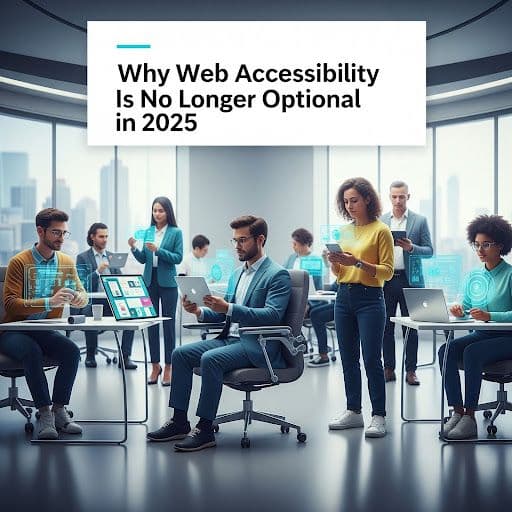
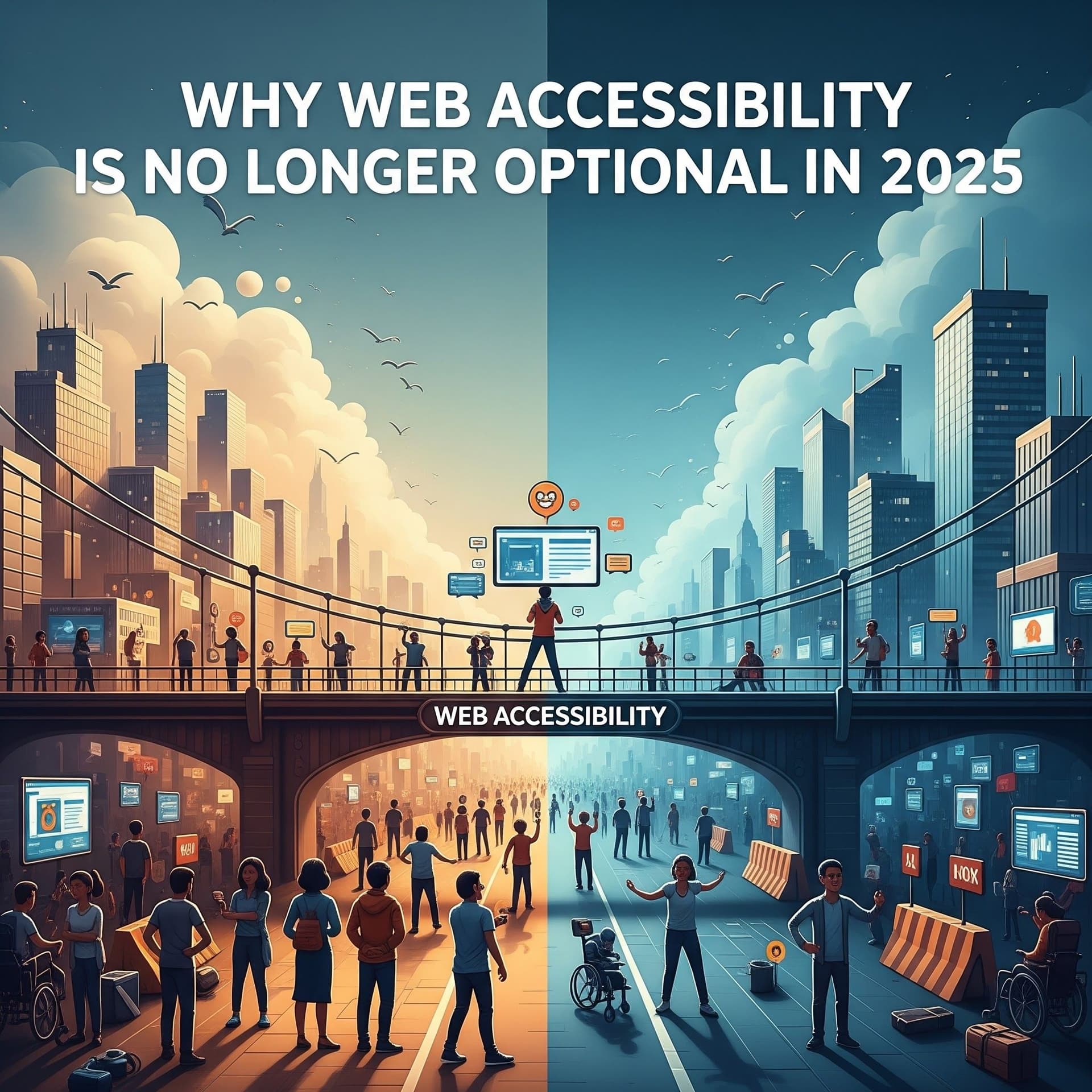
In 2025, web accessibility is not just a buzzword — it’s a global standard.
Quick Questions
Tap to ask AI about this article
In 2025, web accessibility is not just a buzzword — it’s a global standard.
Tap to ask AI about this article
Ready to make your website accessible? Engage with our team or start a free trial today.
This comprehensive guide will help you understand why accessibility is essential in 2025, how it benefits organizations, and the role of Webability’s tools in making accessibility simple, effective, and scalable.
Web accessibility means ensuring that websites, apps, and digital products can be used by everyone, including people with disabilities. This includes:
Accessibility also benefits people in temporary or situational contexts — for example, someone using a phone in bright sunlight, or watching a video in a noisy place.
Accessibility laws have become stricter worldwide:
Businesses that fail to comply risk lawsuits, fines, and brand damage.
Over 1.3 billion people worldwide live with disabilities. Ignoring accessibility means excluding a huge audience. By contrast, accessible websites improve engagement and open doors to new markets and customers.
Accessibility overlaps with SEO best practices:
Accessibility doesn’t just make sites usable — it makes them discoverable.
Clear navigation, captions, transcripts, readable fonts, and high contrast benefit every visitor, not just those with disabilities. Just like curb cuts on sidewalks, accessibility features end up helping everyone.
Customers expect companies to care. Accessibility is now a brand value. A business that demonstrates inclusivity gains trust, loyalty, and long-term credibility.
While many businesses understand the importance of accessibility, they struggle with implementation. That’s where Webability comes in.
1. Accessibility Scanner – Instantly detects compliance issues and provides clear reports.
2. Automated Fixes – Smart tools that help resolve common accessibility problems without manual coding.
3. Compliance Tracking Dashboard – Monitor accessibility progress over time, ensuring your site stays compliant.
4. Guided Remediation – Step-by-step instructions and AI-powered recommendations for complex fixes.
5. Ongoing Monitoring – Continuous scanning to prevent regressions when new content is added.
Together, these tools make Webability a complete accessibility platform — helping businesses move from diagnosis to compliance, without the overwhelm.
Accessibility in 2025 is not optional — it’s mandatory. Businesses that ignore it face legal risks, revenue loss, and reputational damage. Those who embrace it gain:
At Webability, we’re committed to helping businesses build websites that are inclusive, compliant, and future-proof. Our accessibility platform empowers organizations to meet today’s standards and prepare for tomorrow’s challenges.
Powered by Webability — Accessibility made simple, scalable, and smart.