Mitigate Legal Risk
Proactively address accessibility barriers to comply with ADA Title II and Section 508, reducing the risk of costly lawsuits and Department of Justice complaints.
For The Law Enforcement Industry
Law enforcement organizations trust WebAbility with their accessibility needs so they can focus on their core mission of protecting their communities.
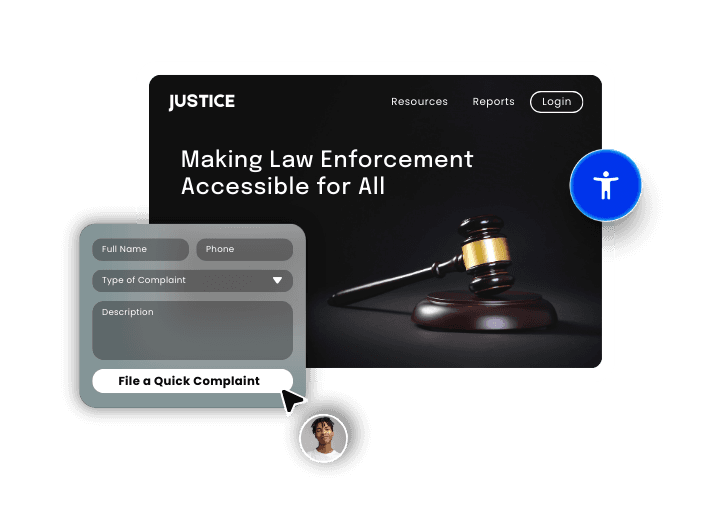
Accessible websites ensure that all citizens, including those with disabilities, can access critical information such as public safety announcements, legal rights, and emergency alerts.
Ensuring that digital resources are accessible helps reach a broader audience, ensuring that crucial information related to public safety and emergency procedures is disseminated effectively.
Law enforcement agencies must comply with legal standards for digital accessibility to avoid legal repercussions and uphold civil rights, including the Americans with Disabilities Act (ADA).
By making their websites accessible, law enforcement agencies demonstrate a commitment to transparency and inclusivity, helping to build trust within the community.
Accessibility features, such as text-to-speech and simplified navigation, help all users, including those with disabilities, to engage with law enforcement agencies effectively.
Digital accessibility ensures that no member of the community is left behind, fulfilling the core promise to serve and protect every citizen regardless of ability.
Of adults in the United States have some type of disability
Of the ADA requires state and local governments to be accessible
Commitment to serving all citizens equally and effectively
Of adults in the United States have some type of disability
Of the ADA requires state and local governments to be accessible
Commitment to serving all citizens equally and effectively
Proactively address accessibility barriers to comply with ADA Title II and Section 508, reducing the risk of costly lawsuits and Department of Justice complaints.
Show your community that you value every citizen. An accessible digital presence demonstrates transparency, inclusivity, and a dedication to public service.
Ensure that emergency alerts, crime reporting tools, and community resources are usable by everyone, including people with vision, hearing, or motor impairments.
Our solution integrates easily with existing government websites and portals, requiring no overhaul of your current infrastructure or CMS.
Our AI-powered technology scans and remediates your site every 24 hours, ensuring that new content and updates remain accessible automatically.
Get support from accessibility experts who understand the unique requirements and challenges faced by public sector and law enforcement agencies.

LAW
Accessible web practices are beneficial for all. When web accessibility is done correctly, the benefits can be significant and wide spanning. Accessible websites ensure that all citizens, including those with disabilities, can access critical information such as public safety announcements, legal rights, and emergency alerts. By making their websites accessible, law enforcement agencies demonstrate a commitment to transparency and inclusivity, helping to build trust within the community.
For The Law Enforcement Industry
Law enforcement organizations trust WebAbility with their accessibility needs so they can focus on their core mission of protecting their communities.
The bigger and more established your law enforcement organization, the more legal exposure you may have for producing digital assets, websites and apps with possible accessibility violations. WebAbility ensures your content is standards compliant and accessible to everyone.
Contact us to learn how to get started.
Start a Free Trial
Seamless Integration
Accessibility Enhancer integrates with any website builder or CMS, enabling accessibility without a complicated technical setup.

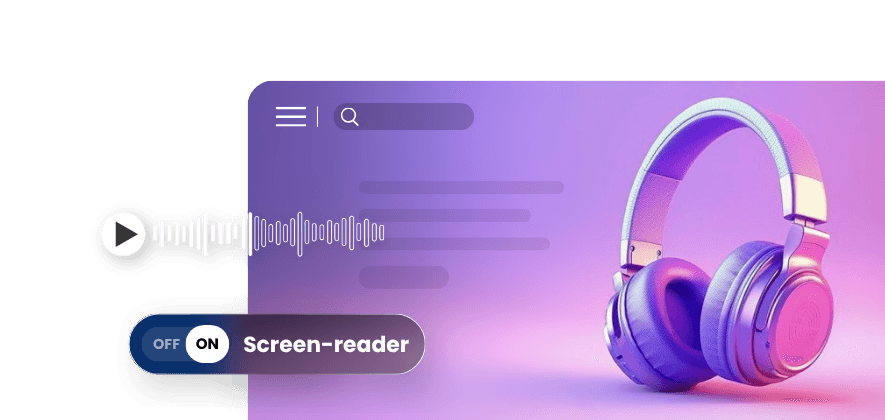
Advanced AI adds ARIA attributes and alt text to your website, enabling screen readers to accurately interpret content for blind users. Ensures navigation landmarks and semantic HTML structure.
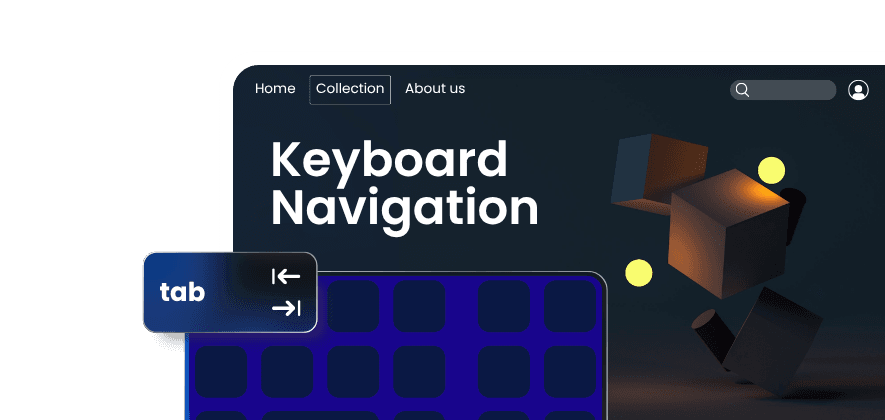
Automatically implement focus indicators and skip-to-content links for users with motor disabilities. Full keyboard control ensures all interactive elements are accessible without a mouse.
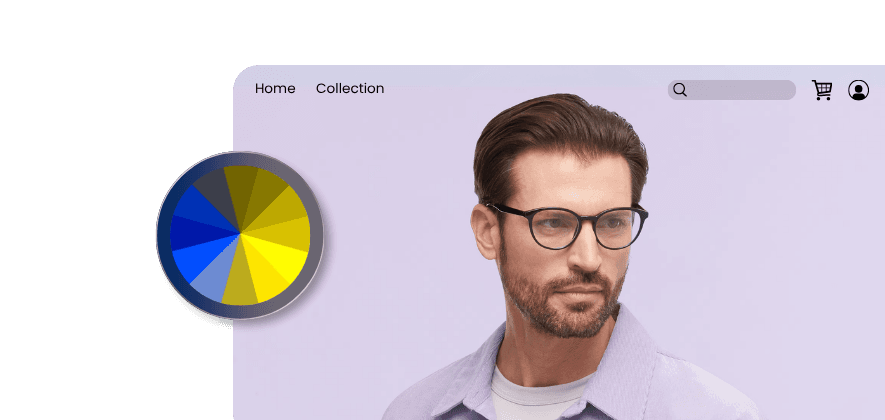
Automatically enhance color contrast ratios and provide alternative visual cues beyond color alone. Supports multiple color blindness types including protanopia with custom color filters.
Reduce cognitive load with simplified layouts, content highlighting, and reading guides. Features include dyslexia-friendly fonts and clear visual hierarchy for easier comprehension.
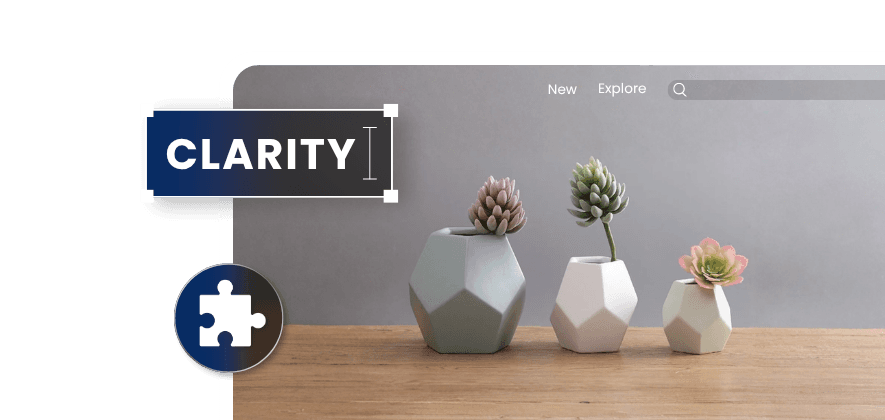
Automatically pause animations, stop auto-playing videos, and remove flashing elements that could trigger photosensitive epilepsy. Provides complete control over all moving content.

Increase font sizes, adjust spacing, invert colors, and enhance contrast for users with partial sight. Features include customizable cursor sizes and text magnification.

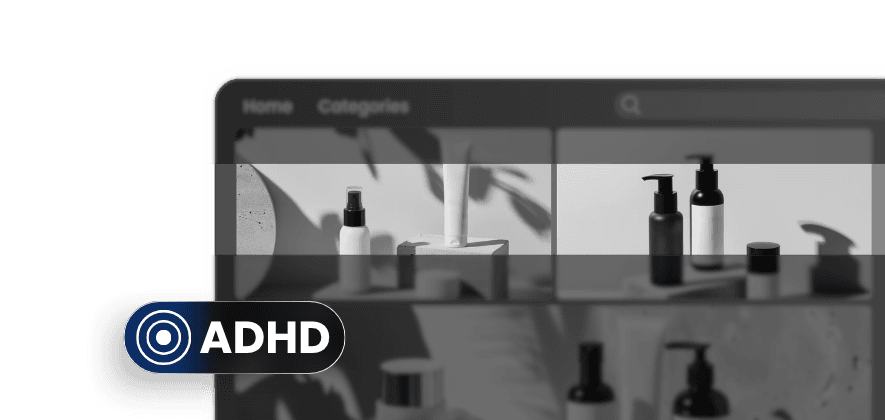
Remove visual distractions, reduce animation speeds, and provide reading masks to help users with ADHD maintain focus. Includes options to hide images and simplify layouts.
Web Content Accessibility Guidelines
International standard defining success criteria for accessible web content, currently at version 2.x with levels A, AA, AAA.
Learn moreabout WCAGAmericans with Disabilities Act
U.S. civil rights law prohibiting discrimination based on disability. Covers public accommodations, employment, and digital accessibility.
Learn moreabout ADAAccessible Rich Internet Applications
A specification that defines roles, states, and properties to improve accessibility of complex UI when native semantics are insufficient.
Learn moreabout ARIAAssistive Technology
Assistive technology that converts on-screen text and semantics to speech or braille output.
Learn moreabout Screen ReaderAlternative Text
Text alternative for images that conveys purpose or meaning when the image cannot be perceived. Decorative images should have empty alt ("").
Learn moreabout Alt TextYes. State and local government agencies, including law enforcement, must comply with Title II of the ADA, which requires their digital services and websites to be accessible to people with disabilities.
Accessible websites ensure that critical information, such as emergency alerts, crime reports, and safety tips, reaches everyone in the community, including those with visual, auditory, or cognitive disabilities.
Beyond legal risks and potential lawsuits, non-compliance erodes public trust and fails the mission to serve and protect all citizens equally.
Yes. WebAbility integrates with all major CMS platforms used by government agencies, ensuring seamless compliance without disrupting existing infrastructure.
WebAbility's automated solution begins working immediately upon installation, identifying and remediating many common accessibility barriers within 48 hours.
Absolutely. Demonstrating a commitment to inclusivity and transparency by providing an accessible website helps strengthen the bond between law enforcement and the community they serve.