Inclusive Web Design 2026: Colors & Voice for Impaired Users

Sidharth Nayyar

In 2025, the web should be a place where everyone, regardless of ability, can access, navigate, and interact with content freely. The internet has evolved to become an essential part of daily life, serving as a source of information, entertainment, connection, and commerce. However, for millions of people with disabilities, the digital experience remains a significant barrier. One crucial aspect of web accessibility that is often overlooked is how we use colour and voice—two features that can dramatically impact the usability of websites for users with visual or auditory impairments.
In this post, we explore why adding colours and voice functionalities to web design is not just an ethical responsibility but a necessity for truly inclusive digital spaces.
Understanding the Scope: Who Benefits from Colour and Voice Accessibility?
Before diving into design strategies, it’s important to understand who stands to benefit from accessible colour and voice implementations. According to the World Health Organization, more than 2.7 billion people globally live with some form of disability. Among these, visual impairments such as colour blindness affect approximately 300 million people worldwide. Additionally, over 466 million people are living with hearing loss, with numbers expected to rise as the global population ages.
When these users encounter websites, they often face challenges in differentiating content, reading text, and interacting with elements that are designed without consideration for their needs. This is where inclusive design comes in.
Why Colour Matters: More Than Just Aesthetic Choices
Colour has the power to convey meaning, emotion, and structure on the web. However, relying on colour alone to communicate important elements of a website—such as buttons, links, or error messages—can alienate users with visual impairments, particularly those with colour blindness or low vision.
There are several ways to make colour choices more inclusive:
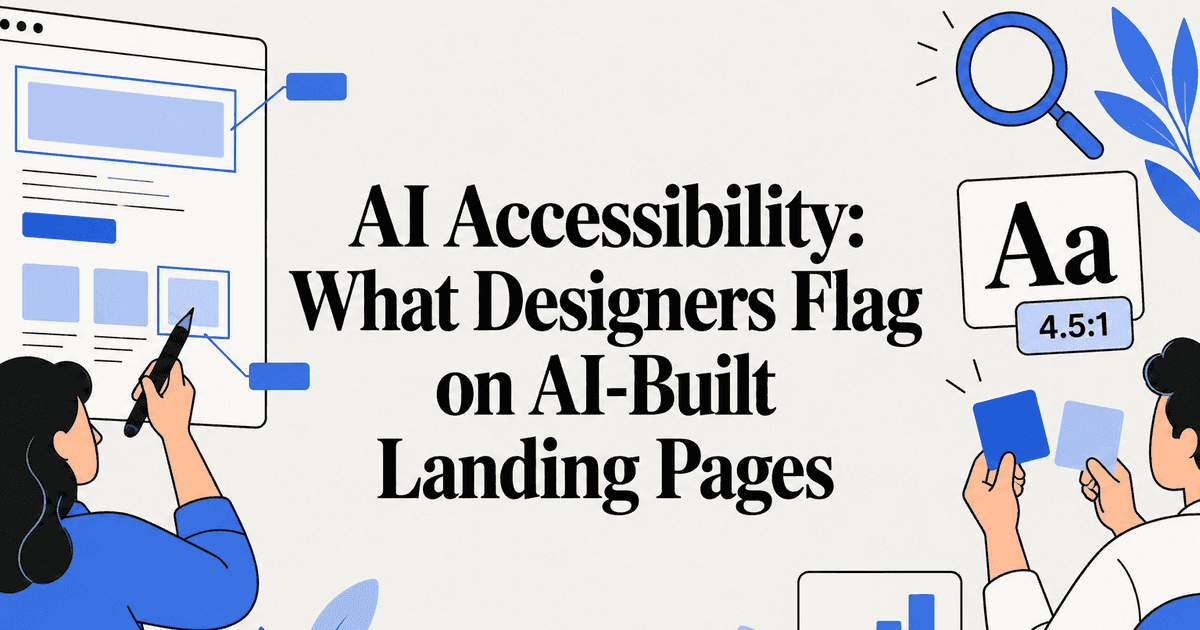
- Contrast is Key: Ensuring sufficient contrast between text and background is vital for users with low vision. Web Content Accessibility Guidelines (WCAG) suggest a contrast ratio of at least 4.5:1 for normal text and 3:1 for large text. Tools like the Colour Contrast Analyzer can help designers measure contrast and make sure their website is accessible.
- Avoid Colour-Only Communication: Never rely on colour alone to convey information (such as using only red to indicate an error). Instead, use text labels, icons, or patterns in combination with colour to provide clarity. This is especially important for users with colour blindness, who may not be able to distinguish certain colours.
- Customizable Colour Schemes: As more people use mobile devices and web applications, providing the option for users to adjust colour schemes or switch to high-contrast modes can enhance accessibility. Offering light and dark mode options can help, but ensure that both modes have sufficient contrast for readability.
- Consider All Types of Colour Blindness: The three most common types of colour blindness are deuteranopia (green blindness), protanopia (red blindness), and tritanopia (blue blindness). Designers should test their websites with colour blindness simulators and consider colour palettes that are distinguishable to all users.
The Role of Voice: Empowering Users with Auditory Impairments
In a world where voice assistants and audio-based interfaces are becoming the norm, the web must evolve to integrate voice technology in ways that support users with hearing impairments. But voice functionality isn’t just about providing alternatives to auditory information; it’s about creating a richer, more immersive experience for users with diverse abilities.
Here’s why voice should be a central part of inclusive web design:
- Voice Navigation: For users with limited dexterity or those who cannot use a mouse or keyboard effectively, voice navigation is a game-changer. Voice commands can allow users to interact with a website’s features, search for content, or navigate through menus and pages with ease.
- Speech-to-Text Features: These features can be particularly helpful for people with hearing impairments who may need real-time transcription of spoken content. Integrating speech-to-text for videos, webinars, or voiceovers makes a website more accessible to individuals who rely on visual or text-based input.
- Multimodal Interactions: The best websites of 2025 will support multimodal interactions—combining text, touch, voice, and visual cues. For example, a user could dictate a search term, receive voice responses, and simultaneously see relevant images or graphs on their screen. This approach accommodates different learning styles and abilities, ensuring that every user has equal access to information.
- Screen Reader Optimization: For users with both visual and auditory impairments, optimizing websites for screen readers is critical. Screen readers not only read aloud the content but also interpret voice commands, making it easier for users to interact with the site. Ensuring that websites are compatible with screen readers—by using semantic HTML, proper heading structures, and descriptive alt text—is a foundational step in accessible design.
Designing for the Future: The 2025 Standard
As we approach 2025, we are at a crossroads in web accessibility. With the advent of AI, machine learning, and more sophisticated design tools, the potential for creating fully inclusive web experiences is greater than ever. But these tools come with their own set of challenges. To make a truly inclusive web, we must go beyond simple compliance with accessibility standards and adopt a mindset of empathy and universal design.
Here are a few trends to watch as we head into 2025:
- AI-Powered Accessibility Tools: AI-driven features, such as automatic image description generation and real-time captioning, will become more commonplace. These tools will allow websites to adapt on the fly to meet the needs of users with visual or auditory impairments.
- Personalization: Users will increasingly expect websites to adapt to their unique accessibility preferences. Customizable voice settings, colour schemes, and contrast options will be standard features for users seeking a more tailored browsing experience.
- Collaboration with Impaired Users: In 2025, collaboration between designers and users with disabilities will become the norm. User testing with impaired individuals will be integral to ensuring websites are accessible and truly meet the needs of diverse audiences.
Conclusion: Building a Web for Everyone
The internet is no longer a luxury—it’s a necessity. And as we move towards 2025, it’s more important than ever to ensure that this vast digital landscape is accessible to all users, including those with visual and auditory impairments. By making intentional choices around colour contrast and voice functionality, we can create web experiences that are not just compliant with accessibility standards but are genuinely inclusive.
The future of web design is one where technology and empathy intersect. It’s a future where accessibility is built into the core of every website, empowering users of all abilities to navigate the digital world with ease and confidence.
Conclusion
Inclusive web design is no longer an optional extra—it’s a critical element of building websites that serve everyone. By focusing on the thoughtful use of colours and voice, and making accessibility a priority, you’ll ensure that your site is welcoming and functional for all users. As we head toward 2025, the web must continue to evolve into a more inclusive space where every user, regardless of ability, can enjoy an equal experience.
Have more questions? Feel free to leave them in the comments, and let's continue the conversation on how we can make the web more accessible for everyone!
FAQs on Inclusive Web Design 2025: Adding Colours & Voice for Impaired Users
1. Why is inclusive web design important for users with impairments?
Inclusive web design ensures that everyone, regardless of ability, can access and interact with web content. For users with impairments, this means creating experiences that are navigable, readable, and understandable—whether they have visual, auditory, or other disabilities. By considering accessibility features like colour contrast and voice functionality, we enable these users to fully engage with online resources, empowering them to participate in the digital world.
2. What are the key web accessibility guidelines for colour?
The Web Content Accessibility Guidelines (WCAG) outline best practices for making digital content accessible to all. For colour, the key guidelines include:
- Contrast Ratios: Ensure a contrast ratio of at least 4.5:1 for normal text and 3:1 for large text between text and background colors.
- Avoid Colour-Only Communication: Don’t rely solely on colour to convey information. Use text labels, patterns, or icons to complement colour cues.
- Test for Colour Blindness: Use simulators to ensure your colour palette is distinguishable to users with common types of colour blindness.
3. How can I make my website more accessible for users with hearing impairments?
To enhance accessibility for users with hearing impairments:
- Add Captions & Transcripts: Provide captions for video and audio content and offer transcripts for audio-based material, such as podcasts or webinars.
- Use Visual Alerts: Complement audio alerts with visual cues, such as flashing text or icons, to ensure important information is communicated to users who may not hear it.
- Integrate Speech-to-Text Technology: Allow users to interact with your website through voice commands or provide live captions for video content.
4. How can I incorporate voice navigation into my website?
Voice navigation allows users to interact with your website using voice commands, which can be beneficial for those with limited mobility or dexterity. To integrate voice navigation:
- Implement Speech Recognition Software that enables users to navigate through menus, search, and even fill out forms via voice.
- Use Voice-Activated Search that lets users search content by speaking keywords instead of typing them.
- Ensure your site works seamlessly with popular voice assistant tools like Google Assistant, Amazon Alexa, or Apple's Siri.
5. What’s the difference between screen readers and voice-based navigation?
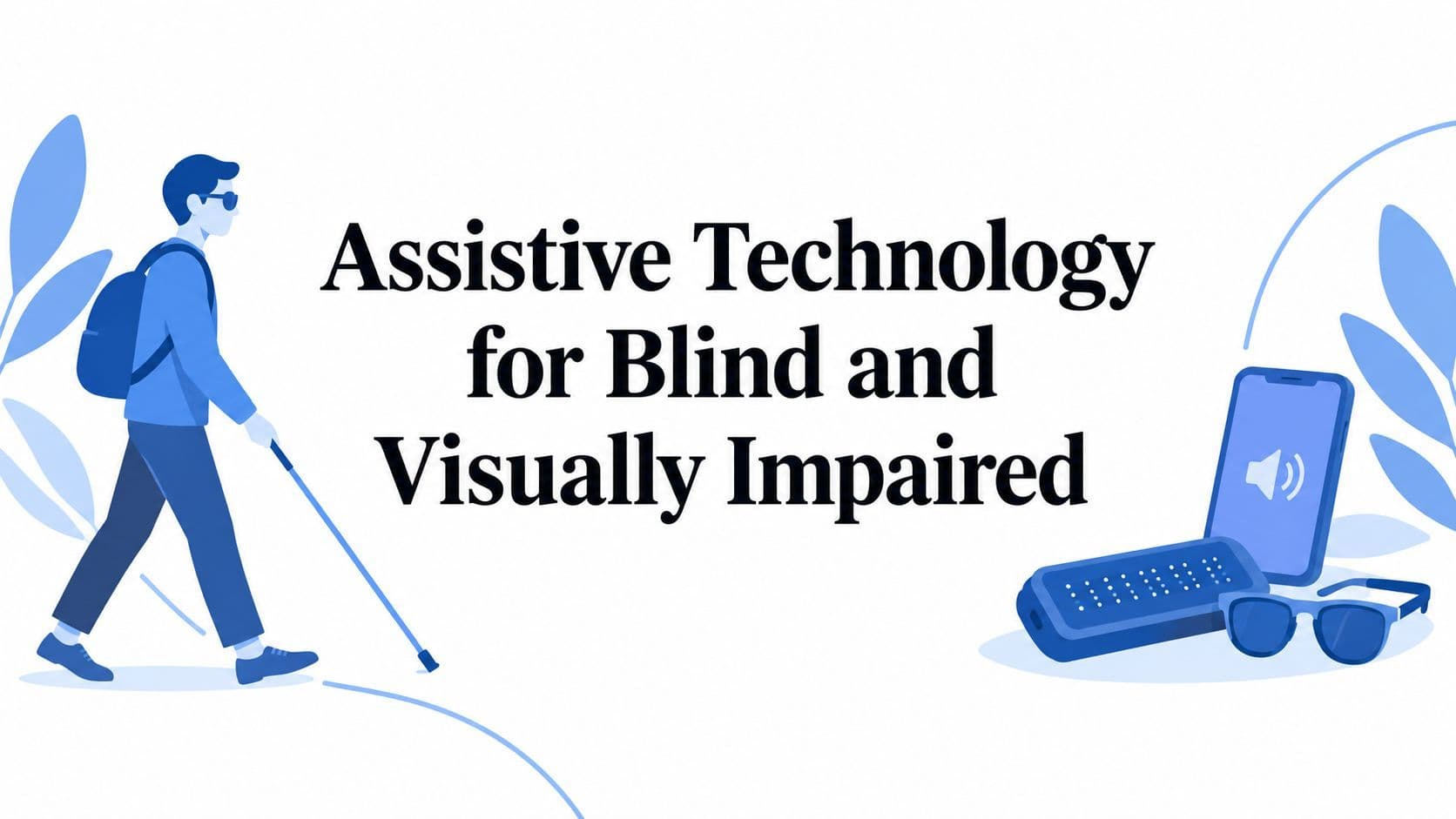
Screen readers are tools that read aloud the text on a webpage, helping users with visual impairments navigate content. They convert written content into speech or braille, allowing users to interact with the site effectively.
Voice-based navigation, on the other hand, enables users to control a website through spoken commands, such as "scroll down," "click on the first link," or "search for accessibility features." While screen readers assist with interpreting existing content, voice-based navigation empowers users to control their interactions through voice alone.
6. How do I ensure my website is compatible with screen readers?
To make your website screen reader-friendly:
- Use semantic HTML to structure your content logically (e.g., proper use of headings, lists, and links).
- Add alt text to all images to describe their purpose or content for users who cannot see them.
- Ensure all interactive elements (like buttons, forms, and links) are properly labeled and accessible via keyboard navigation.
- Test your website with screen reader tools like JAWS, NVDA, or VoiceOver to ensure compatibility.
7. How does color contrast affect users with low vision?
Users with low vision may struggle to read text or differentiate elements if there isn’t enough contrast between the text and its background. Insufficient contrast can make content difficult or impossible to read. By ensuring high contrast (e.g., dark text on a light background), you help users with low vision or age-related impairments access the content without strain.
8. Can I automatically adjust a website's accessibility for individual users?
Yes, providing customizable options like contrast settings, text resizing, or colour schemes can greatly improve accessibility for individuals. Offering features such as high-contrast modes or “dark mode” allows users to tailor the website to their needs, enhancing the user experience. Tools like WCAG’s contrast checkers or accessibility plugins can enable these changes dynamically.
9. How will AI and machine learning impact web accessibility in 2025?
AI and machine learning are expected to play a significant role in web accessibility by automating tasks like image description generation, real-time captioning, and content personalization. For example, AI could auto-generate alt text for images or detect accessibility issues in real time, enabling websites to adapt on the fly for users with visual or auditory impairments. These advancements will make websites more responsive and adaptable to the needs of users, without requiring manual updates.
10. What tools can I use to test and improve my website's accessibility?
There are many tools available to help designers assess and enhance accessibility, including:
- WAVE (Web Accessibility Evaluation Tool): An easy-to-use tool that identifies accessibility issues on your website, such as missing alt text or poor contrast.
- Axe: A browser extension that provides detailed insights into your site's accessibility issues and suggests solutions.
- Colour Contrast Analyzer: Helps check whether your website meets WCAG contrast requirements.
- Screen Reader Software: Tools like NVDA, VoiceOver, or JAWS can help test how your site interacts with screen readers.
- Grammarly or Hemingway Editor: These tools can help improve readability, making content easier to understand for users with cognitive impairments.
Quick Questions
Tap to ask AI about this article