Future Trends in Web Accessibility: Preparing for 2026 and Beyond

Sidharth Nayyar
TL;DR
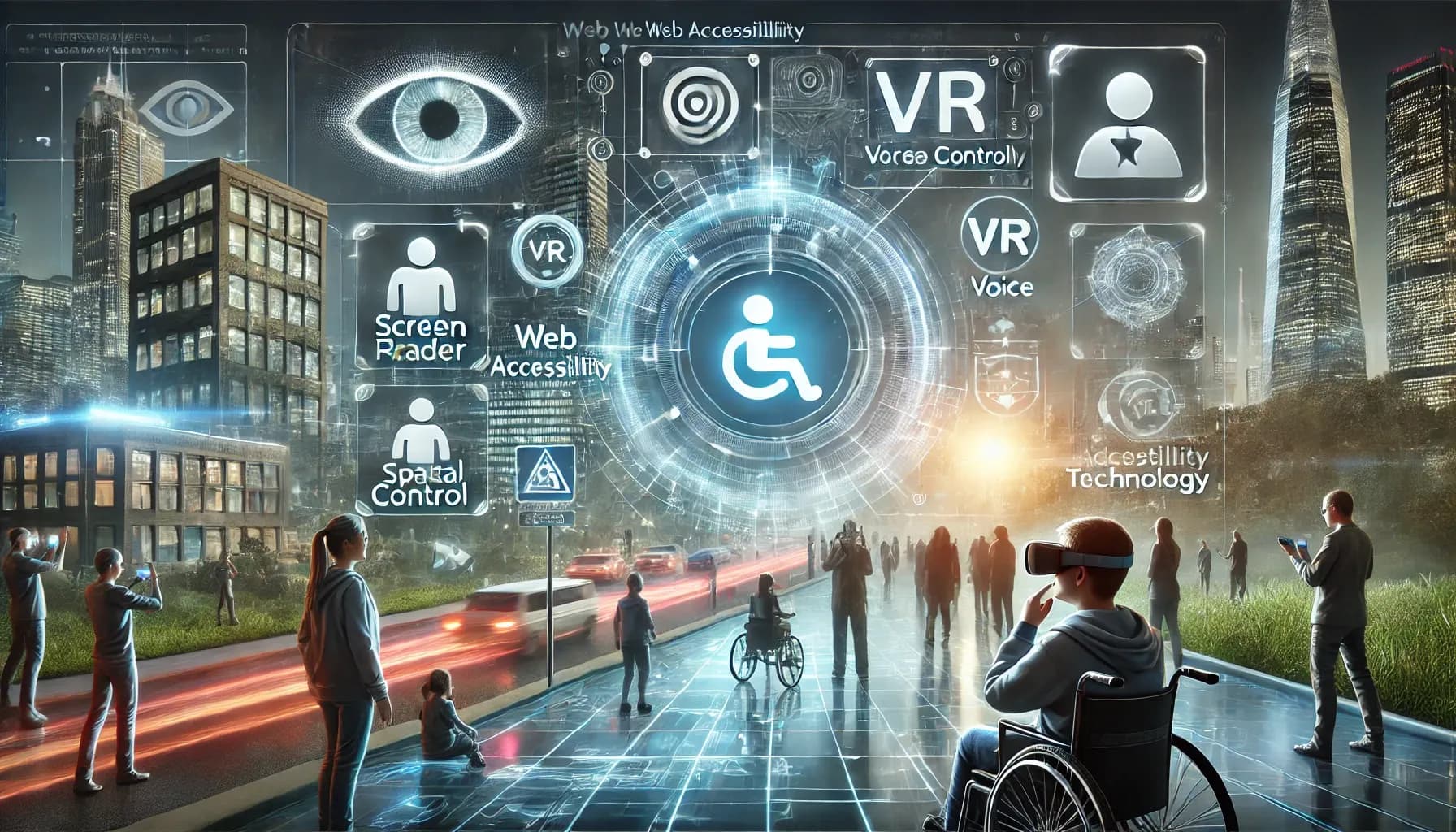
Web accessibility is evolving rapidly, driven by AI, automation, and stricter regulations. In 2026 and beyond, businesses will need to focus on AI-driven accessibility solutions, automated compliance monitoring, voice and gesture-based navigation, and improved mobile accessibility. Adopting these trends will not only ensure inclusivity but also improve SEO, user experience, and brand reputation.
Future Trends in Web Accessibility
The digital world is becoming more inclusive, and accessibility is no longer a "nice-to-have" but a necessity. With over 1 billion people worldwide living with some form of disability, ensuring web accessibility is both an ethical and business imperative.
With governments introducing stricter regulations, and technology evolving at a breakneck pace, businesses must prepare for the future of web accessibility to remain compliant and competitive.
1. AI-Powered Accessibility Solutions
AI is revolutionizing web accessibility by automating complex tasks such as:
- Automatic Alt Text Generation: AI-driven image recognition tools (like Microsoft's Seeing AI) can now generate accurate alt text descriptions for visually impaired users.
- Automated Captioning & Transcriptions: Platforms like YouTube and Zoom already use AI to provide real-time captions, which will become even more accurate in the future.
- AI-Powered Accessibility Testing: Automated tools will be able to scan websites and recommend accessibility improvements in real-time, reducing manual efforts.
Stat: According to Gartner, by 2026, AI-powered accessibility solutions will improve digital experiences for over 75% of people with disabilities.
2. Stricter Global Accessibility Regulations
Countries are tightening accessibility laws to enforce compliance. Businesses must proactively adapt to:
- WCAG 3.0 (Expected by 2026): The next iteration of Web Content Accessibility Guidelines (WCAG) will set new global standards.
- Americans with Disabilities Act (ADA) Expansion: The U.S. government is broadening ADA coverage for digital platforms.
- EU Accessibility Act (2025 Enforcement): Companies operating in Europe must comply with strict digital accessibility requirements.
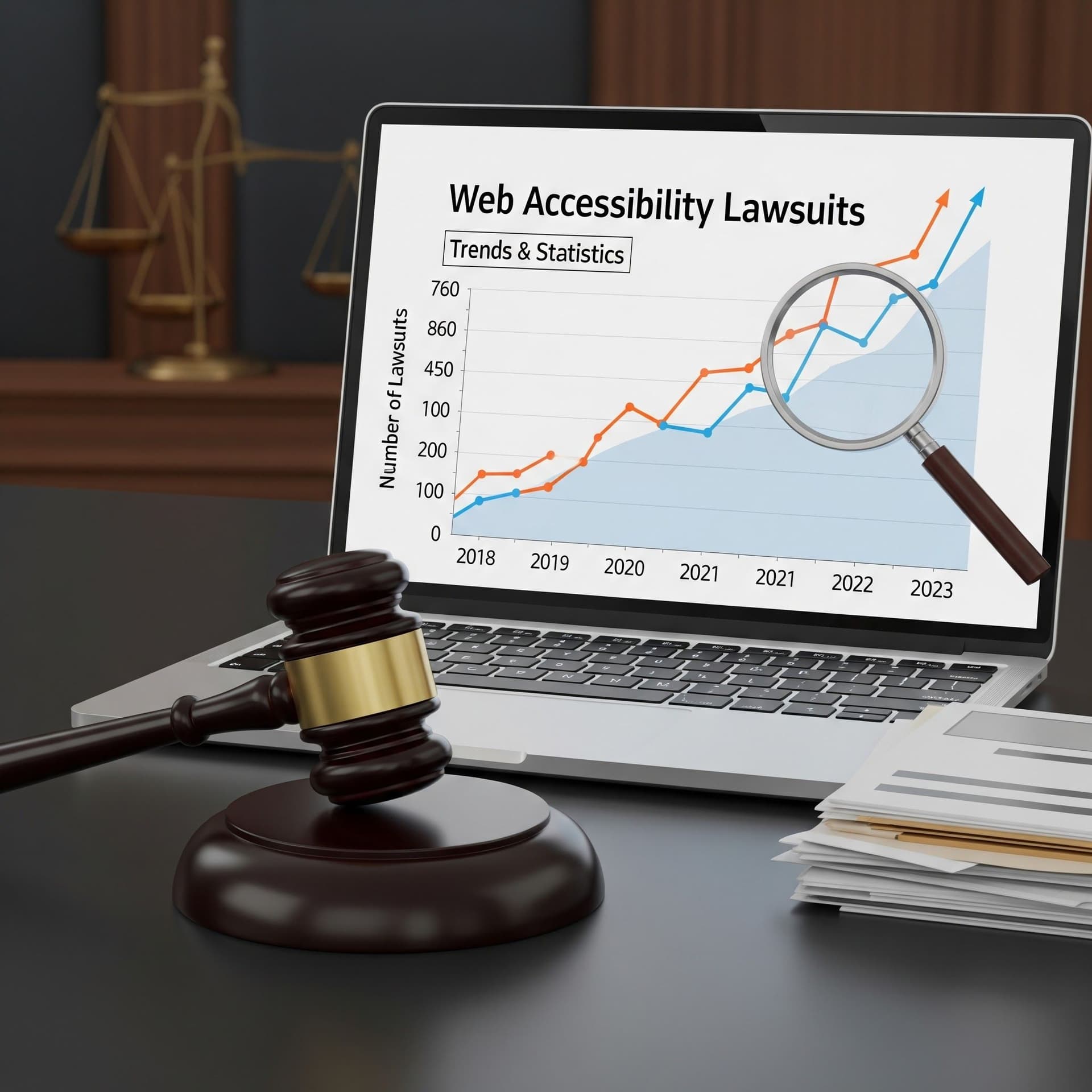
Stat: In 2023, over 4,500 lawsuits were filed in the U.S. for ADA web accessibility violations. This number is expected to increase by 20% annually.
3. Voice & Gesture-Based Navigation
The rise of smart assistants like Siri, Alexa, and Google Assistant is transforming web interactions. Future websites will integrate:
- Voice Commands: Users will navigate websites, fill out forms, and interact with content using voice input.
- Gesture-Based UI: AI-driven eye-tracking and gesture recognition will make web navigation more accessible for users with mobility impairments.
Stat: By 2027, voice-based web interactions are projected to increase by 40%, according to Statista.
4. Improved Mobile Accessibility
Mobile-first experiences will dominate, requiring:
- More Responsive Design: Websites must dynamically adjust layouts based on device type.
- Haptic Feedback Integration: Tactile vibrations for visually impaired users will improve usability.
- Dark Mode & High-Contrast Enhancements: Essential for users with low vision or light sensitivity.
Stat: Over 60% of disabled users rely on mobile devices as their primary internet access point (Pew Research, 2024).
5. The Rise of Inclusive Design Culture
Companies are prioritizing universal design principles, ensuring:
- Accessibility is built into the design process from day one.
- Developers, designers, and content creators are trained on accessibility best practices.
- Testing incorporates real users with disabilities, rather than relying solely on automated tools.
Stat: Companies that implement accessibility from the start see a 20% increase in customer engagement (Forrester Research, 2024).
FAQs About the Future of Web Accessibility
1. What is the biggest accessibility challenge businesses face today?
The lack of awareness and proactive planning. Many businesses react to lawsuits instead of integrating accessibility from the start.
2. How can small businesses afford accessibility improvements?
Many free and low-cost tools (like WAVE, axe, and Google Lighthouse) can help audit and improve accessibility without high costs.
3. Will AI replace human accessibility testers?
No. AI will enhance accessibility audits, but human testers with disabilities are essential for real-world usability insights.
4. How does web accessibility impact SEO?
Google rewards accessible websites with better rankings. Features like alt text, proper heading structure, and video captions improve search engine visibility.
5. Where can I learn more about implementing web accessibility?
The Web Accessibility Initiative (WAI) and organizations like WebAbility offer great resources.
Final Thoughts: Preparing for the Future
The next few years will shape the future of web accessibility in ways we can’t fully predict yet. Businesses that adopt AI-driven solutions, comply with regulations, and embrace inclusive design will stay ahead of the curve.
Accessibility is not just about compliance—it’s about providing a better digital experience for everyone.
Sources & Further Reading:
Quick Questions
Tap to ask AI about this article