The Role of Artificial Intelligence in Web Accessibility
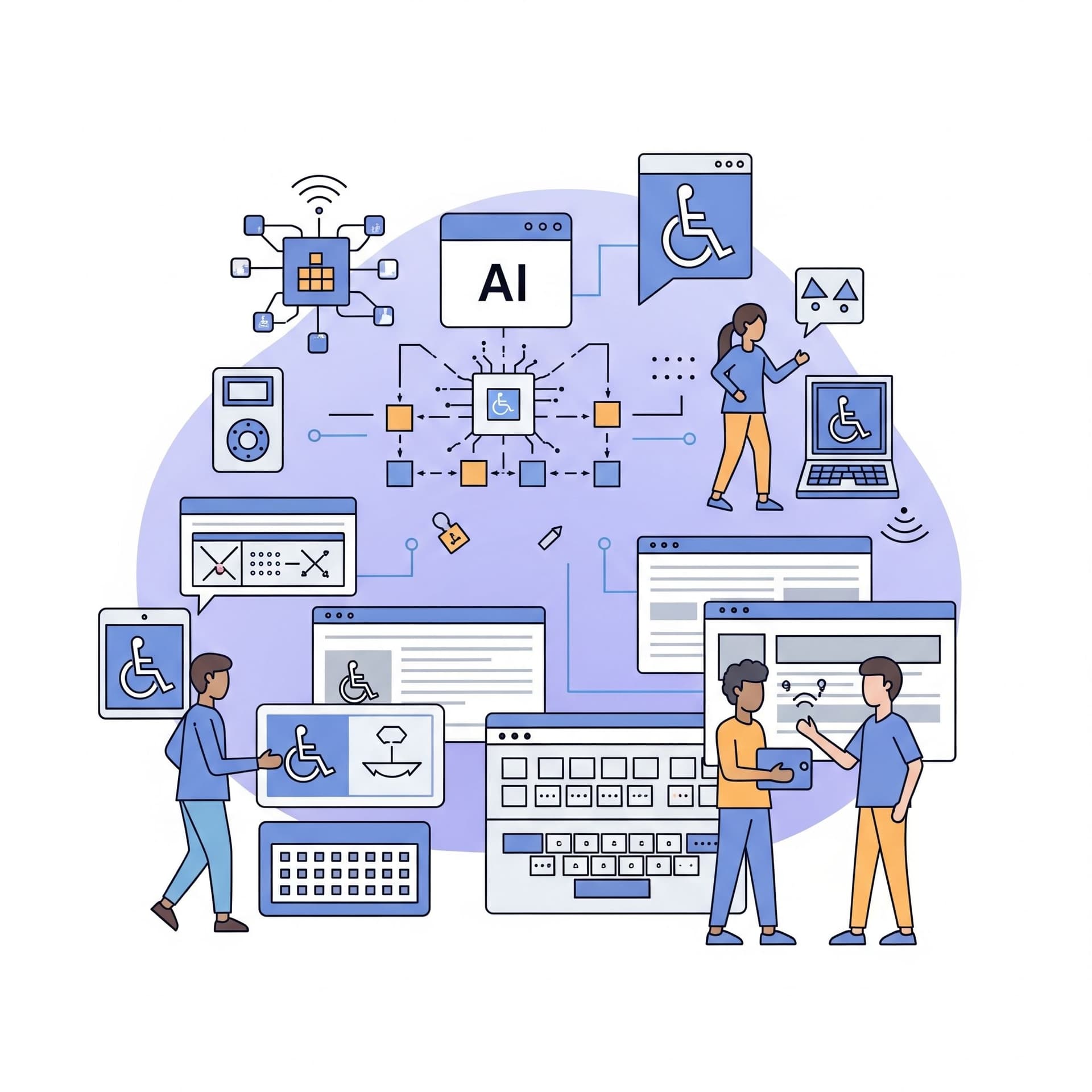
Artificial Intelligence in Web Accessibility
Artificial Intelligence (AI) is rapidly reshaping the digital world, bringing powerful tools that make websites and applications more inclusive than ever before. For people with disabilities, accessibility is not just a feature—it’s a necessity. AI-driven solutions are breaking down barriers by offering real-time personalization, improved assistive technologies, and automation that ensures compliance with accessibility standards.
In this blog, we’ll explore how AI is transforming web accessibility, highlight practical applications, and look at the future of inclusive digital experiences.
Why AI Matters for Accessibility
Accessibility has traditionally relied on manual design and coding best practices, but challenges remain. Websites are becoming more complex, and ensuring compliance with WCAG (Web Content Accessibility Guidelines) is often time-consuming. AI fills the gap by:
● Automating accessibility checks and fixes.
● Personalizing web experiences for users’ unique needs.
● Enhancing assistive technologies like screen readers and voice interfaces.
● Providing multilingual and real-time support.
Key Applications of AI in Web Accessibility
1. Automated Accessibility Testing
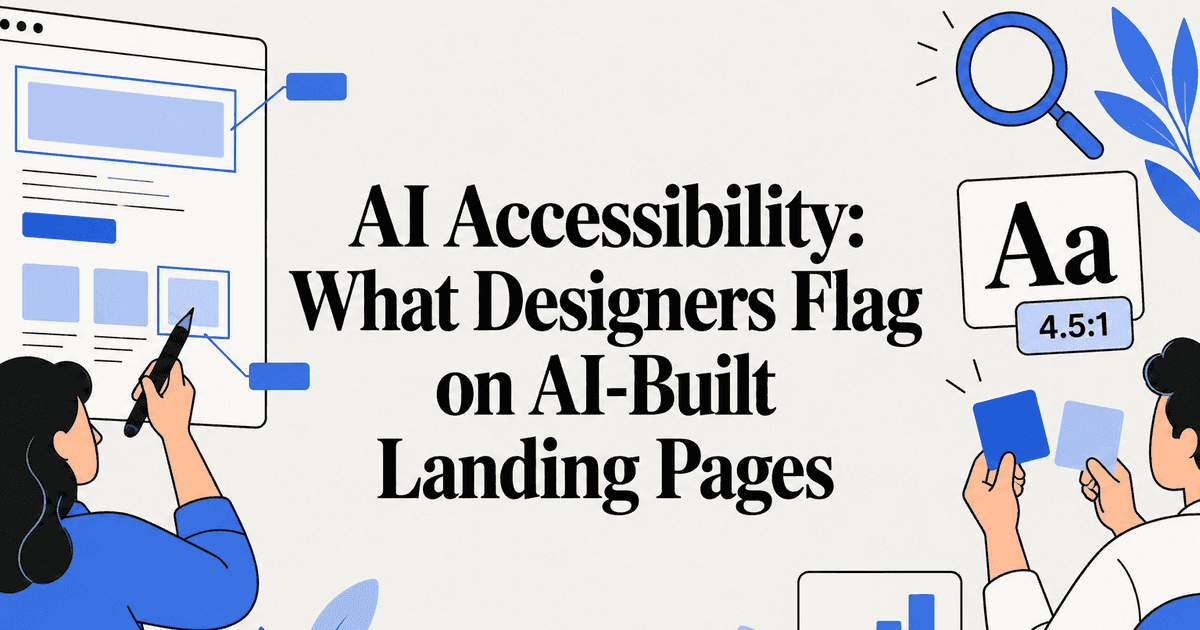
AI-powered tools can scan websites and apps to identify accessibility issues instantly. From missing alt-text to poor color contrasts, these tools save businesses time and ensure compliance.
2. Intelligent Assistive Technologies
AI enhances screen readers, voice assistants, and captioning tools by making them faster and more accurate. For example:
● AI-based text-to-speech provides natural-sounding narration.
● Image recognition AI automatically generates alt-text for images.
● Real-time captioning supports live video accessibility.
3. Personalized User Experiences
AI allows websites to adapt to individual user preferences. For instance:
● Users with dyslexia may get simplified layouts or custom fonts.
● Those with low vision can benefit from auto-adjusted contrast modes.
● Multilingual AI ensures accessibility for global audiences.
4. Predictive Analytics for Accessibility
AI can anticipate user needs before issues arise. For example, predictive models can suggest alternative navigation for users with motor impairments or highlight confusing content flow that may hinder accessibility.
5. Compliance Made Easier
Keeping up with evolving standards like WCAG 2.2 can be challenging. AI automates compliance monitoring and helps businesses stay ahead of regulations.
The Future of AI and Accessibility
As AI continues to mature, expect breakthroughs in:
● Voice-driven web navigation that makes browsing entirely hands-free.
● AR/VR accessibility tools for immersive digital environments.
● AI-powered accessibility widgets that give instant customization options for users.
FAQs
Q1: Can AI fully replace human accessibility testing?
Not yet. While AI handles routine checks, human expertise is still essential for contextual issues like content clarity and inclusive design choices.
Q2: Is AI accessibility affordable for small businesses?
Yes! Many AI-powered accessibility tools (like Webability’s toolkit) are cost-effective and scalable, making them accessible for startups as well as enterprises.
Q3: Does AI make websites WCAG-compliant automatically?
AI helps fix many compliance gaps but works best alongside accessibility-first design principles.
Conclusion
Artificial Intelligence is not just improving accessibility—it’s redefining it. From intelligent assistive technologies to automated compliance and personalized experiences, AI empowers organizations to build truly inclusive digital spaces.
At Webability, we believe accessibility is the foundation of a better web for everyone. By integrating AI-driven solutions, businesses can deliver equal access, improve user experience, and future-proof their platforms.
Got questions? Reach out at [email protected]
Visit us at Webability.io
Powered by Webability
SOURCES
Quick Questions
Tap to ask AI about this article